Fur, Sweat and Tannoy: The 2026 High Street Mascot Report Card
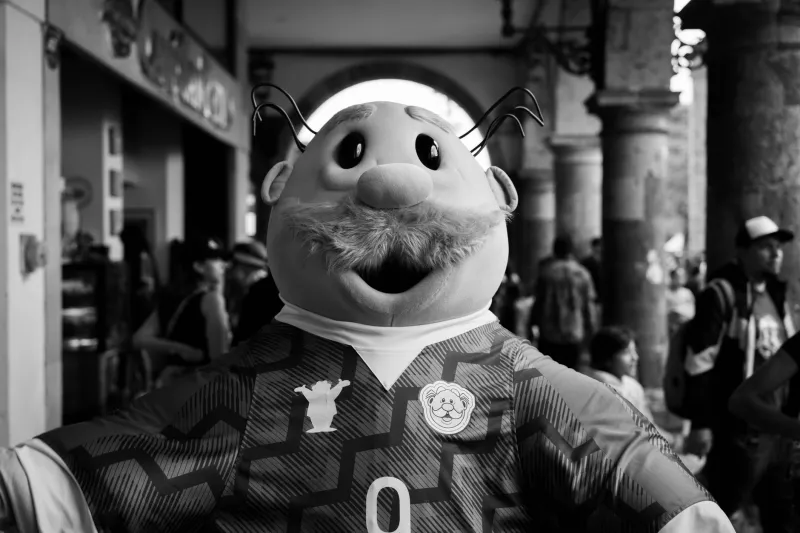
There is a particular smell inside a high-street mascot costume in 2026. It is part warm laundry, part defeated deodorant, and part the faint plastic tang of a zip that has seen things. This is the atmosphere in which Britain’s most chaotic mascot meet-and-greets unfold: shopping-centre atriums, supermarket forecourts, town-centre fun days and the occasional village fete where a giant bear arrives in a Vauxhall Astra and leaves with a traffic cone stuck to its foot.
We have watched the clips. We have studied the queues. We have seen a grown adult in a fox costume attempt a thumbs-up and instead gesture at a child in a way that will require a family debrief. Here, then, is the 2026 High Street Mascot Report Card — not a scientific ranking, more a GCSE-style grading system for public absurdity.
The Golden Zip for Costume Integrity
Let us begin with the fundamentals: the suit. A mascot is only as good as its seams, and 2026 offered a masterclass in visible engineering. One shopping-centre bear in the Midlands spent an entire afternoon with a six-inch zip open at the back of its head, revealing a handler’s ponytail and what appeared to be a packet of Quavers. The bear did not acknowledge this. The handler did not acknowledge this. A queue of forty people politely ignored it, because we are British and confrontation is worse than a wardrobe malfunction.
Grade: B for effort, D for structural honesty. The zip was visible from space.
Elsewhere, a supermarket opening in the north of England featured a penguin whose left flipper had deflated by 11am. By noon it was flopping about like a windsock in a huff. By 2pm the penguin had adopted a sort of tragic shrug, which somehow made it more endearing. Children queued to hug a depressed penguin. Adults queued for the photo. The mascot’s expression — permanently cheerful, structurally doomed — became the unofficial mood of the day.
Grade: A* for pathos.
Queue Management: From Serene to Screaming
The meet-and-greet queue is a delicate ecosystem. It requires patience, rope barriers and at least one person who thinks they can improve things by shouting. In 2026, one town-centre fun day achieved the impossible: a queue that began calmly, turned into a loose semicircle, then became a sort of human soup outside a phone repair shop. The mascot — a large dog in a high-vis jacket — kept pointing at people with both paws, as if directing traffic. It was not directing traffic. It was making it worse.
Grade: U for Ungovernable. The dog knew not what it did.
By contrast, a shopping centre in the south-east deployed a simple system: one family at a time, a five-second hug, and a handler who said “lovely” in a tone that could stop a riot. The mascot, a rabbit with unnervingly human eyes, performed flawlessly. No shoving. No tears. No one tried to climb the barrier. This is the gold standard. It will not go viral, because nothing happened. But it worked.
Grade: A. Quietly brilliant.
Toddler Diplomacy (and the Art of the Reluctant High-Five)
Small children are the true arbiters of mascot quality. They do not care about branding. They care about whether the giant head is looking at them, whether the paw is sticky, and whether the whole thing is secretly a man called Dave. In 2026, one toddler in a supermarket car park performed a masterclass in diplomacy: approached the mascot, stopped two feet away, stared directly into its mesh mouth, and said, “Are you hot?” The mascot nodded. The toddler handed it a half-eaten ice lolly. The handler accepted on the mascot’s behalf. It was the most honest transaction of the year.
Grade: A* for emotional intelligence.
Another child, in a shopping centre, refused the high-five, refused the hug, refused the photo, and then — after a long pause — offered the mascot a single crisp from a bag of salt and vinegar. The mascot took it. The child nodded, satisfied. The queue applauded. This is what community means.
Grade: B+ for boundary-setting.
Handler of the Year: For Services to Staring Into the Middle Distance
The unsung hero of any mascot appearance is the handler: the person in the plain polo shirt who steers the giant head, fielded questions, and occasionally whispers “left, left, there’s a bollard.” In 2026, handlers displayed a remarkable range. Some were vigilant, scanning for trip hazards and overexcited labradors. Others were… present. One handler spent an entire meet-and-greet scrolling through his phone while the mascot behind him accidentally backed into a charity stall and sent a tower of tombola tickets into the air. The mascot froze. The handler looked up, said “sorry, mate,” and went back to his screen.
Grade: C for awareness. A* for audacity.
Another handler — a legend, frankly — stood beside a fox mascot for three hours in the rain, holding an umbrella over the fox’s head but not her own. She was soaked. The fox was dry. The children were delighted. This is dedication.
Grade: A* for selflessness.
The Overall League Table (Allegedly)
If we must rank them — and the internet insists we must — the winner is not the most polished mascot or the best-managed queue. It is the bear with the visible zip. Because that bear understood something fundamental about 2026: we do not want perfection. We want a giant animal with a human flaw, standing in a shopping centre, pretending everything is fine. That is Britain. That is us.
Runner-up: the deflating penguin, for teaching us that resilience is just a floppy flipper and a positive attitude.
Honourable mention: every toddler who stared into the abyss of a mascot’s mesh mouth and asked the only question that mattered — “Are you hot?”
What We Learned
Mascots are not just branding. They are public theatre. They are a chance for a town to gather, queue badly, and watch a large plush creature negotiate a bollard. In 2026, the high street gave us sweat, zips, tears and tombola chaos — and we loved it. Next time you see a giant bear with a visible zip, do not look away. Give it a high-five. It has been through a lot.