The Trolley Doesn’t Love You Back: Britain’s 2026 Self-Checkout Voice Awards
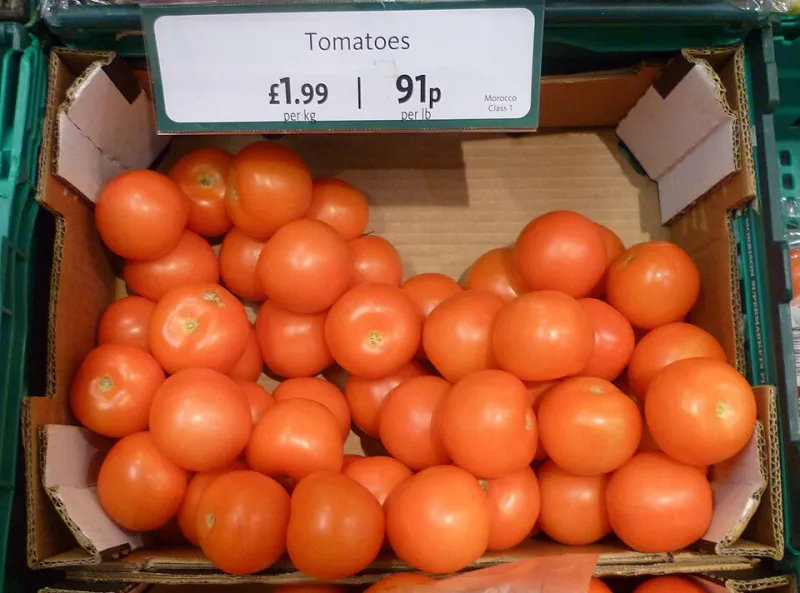
Photo: InterestingPics, CC BY-SA 3.0, via Wikimedia Commons
There is a particular kind of silence that falls over a supermarket at 6.42pm on a Tuesday. It is not quite quiet. It is the silence of a nation holding its breath while a plastic voice decides whether it is going to let us buy a meal deal or summon a member of staff like a disappointed headteacher.
Self-checkouts have been with us long enough to have developed personalities. In 2026, they are less “automated till” and more “unpaid therapist with a grudge”. Some are brisk. Some are needy. One, in a branch we shall not name, sounds like it is about to ask us to sit down and talk about our childhood.
So, in the spirit of giving credit where it is bizarrely due, here are the 2026 Self-Checkout Voice Awards: a ranked celebration of retail theatre, guilt trips and the small daily drama of being told off by a machine.
10. “Please place the item in the bagging area” — Best Theatrical Pause
This is the gateway prompt. The classic. The one that launched a thousand sighs. What makes it award-worthy is not the words themselves but the pause before “bagging area”, as if the machine is giving us a moment to reflect on our choices. It is the vocal equivalent of a parent counting to three.
You have, in fact, already placed the item in the bagging area. The machine knows this. You know this. The bagging area knows this. But the prompt lands anyway, cool and unhurried, like a butler who has spotted a grammatical error in your small talk.
9. “Unexpected item in the bagging area” — Most Disappointed Parent Energy
No phrase in modern British life carries more implied shame. It does not say what the item is. It does not say why it is unexpected. It simply notes that something has occurred which the machine did not foresee, and it would like you to sit with that.
We have all been there: a loose onion, a folded receipt, the sheer audacity of a bag-for-life that has been used since 2019. The machine does not raise its voice. It does not need to. It has the weary calm of someone who expected better from you, specifically.
8. “Colleague has been notified” — Most Ominous Cliffhanger
This one deserves its own genre. It is not a request. It is an announcement. Somewhere, a colleague has been notified, and we are left to imagine the internal memo. Is it a quick check of an age-restricted item? Is it a cry for help? Is it a formal record of our crimes against the bagging area?
The tone matters here. Delivered brightly, it sounds like a compliment. Delivered flatly, it sounds like the opening line of a true-crime podcast. Either way, it makes you stand very still and pretend you were not just trying to scan a banana through a plastic bag.
7. “Would you like a bag?” — Most Passive-Aggressive Upsell
The machine asks this with the enthusiasm of someone offering you a wet umbrella. We have already said no. We said no at the start. We said no with our eyes. And yet, here it is again, patient and faintly hopeful, like a dog that has not quite understood the word “walk”.
In 2026, this prompt has become a tiny personality test. Say yes, and you feel wasteful. Say no, and you spend the next four minutes balancing a leek, a pint of milk and a birthday card for someone you vaguely know. The machine watches. It always watches.
6. “Please wait for assistance” — Best Holding Pattern
This is the self-checkout equivalent of being put on hold by your bank, except the hold music is your own heartbeat and the person behind you has started sighing in surround sound. The phrase itself is polite enough, but the delivery often carries a note of finality, as if the machine has decided that your shopping journey has reached a natural conclusion.
You wave. You look around. You develop a new appreciation for the phrase “I’m sure someone will be here in a minute”. It is a shared national experience, and somehow that makes it worse.
5. “Thank you for shopping with us” — Most Emotionally Inconsistent
There is something deeply unsettling about a voice that has just accused you of tampering with the bagging area suddenly wishing you a lovely day. It is the tonal whiplash of a colleague who has spent the last hour making pointed comments about the rota and now wants to know if you have any weekend plans.
We appreciate the sentiment. We do. But after the third “unexpected item” warning, the thank-you feels less like gratitude and more like a door being held open by someone who definitely saw what you did.
4. “Remove the last item” — Most Likely to Cause a Standoff
This is the prompt that turns mild-mannered shoppers into reluctant negotiators. Remove it? We only just put it there. Put what where? Why? The machine does not elaborate. It simply repeats the instruction, slower and slightly more wounded, until you are lifting a bag of salad in and out of a plastic tray like a magician whose trick has gone wrong.
Somewhere in the background, a colleague has been notified. Again.
3. “Please scan your Clubcard” — Most Needy Co-Dependent
The loyalty-card prompt has evolved into something almost romantic in its persistence. It asks once. It asks again. It asks while you are visibly scanning the card, which feels less like a reminder and more like a trust issue.
In 2026, the self-checkout does not simply want your custom. It wants to know that you are committed. It wants the beep. It wants the little green tick. It wants to feel seen. We are not saying the machines are lonely, but we are saying they have a lot of feelings about the Clubcard.
2. “Card only” — Most Brutal Plot Twist
No prompt lands quite like this one. You have scanned. You have bagged. You have survived the unexpected item. And then, at the very end, the machine delivers a two-word plot twist that suggests the last three minutes of your life have been a rehearsal for disappointment.
There is no apology. No explanation. Just “card only”, delivered with the finality of a bouncer who has spotted your name on a list you did not know existed. It is efficient, devastating and somehow always happens when you have found the exact change.
1. The overall winner: the voice that makes you apologise to a machine
And so to the top prize. This is not a single prompt but a category of prompt: the one that sounds so tired, so put-upon, so personally let down that you hear yourself saying “sorry” out loud, to a till, in front of a stranger buying a three-pack of socks.
It might be the sigh before “please wait”. It might be the pause before “bagging area”. It might be the way “colleague has been notified” lands like a note in your permanent record. Whatever the wording, the effect is the same: you become a person who apologises to a machine and then apologises again to the human who arrives to fix it.
That is the true theatre of the 2026 self-checkout. It is not really about shopping. It is about the tiny emotional rollercoaster of being judged by a plastic box and coming back next week anyway. The trolley does not love you back. But it does know your Clubcard, and that is almost the same thing.
The nation’s favourite answer-back moments
We asked around — by which we mean we listened to people muttering at tills across the country — and the most popular replies to the self-checkout voice remain: “I have”, “I am”, “It is”, and the classic “I know, I know, I’m sorry”. None of these work. All of them feel necessary.
The verdict
The self-checkout voice is not going anywhere. It will keep asking. It will keep pausing. It will keep notifying colleagues. And we will keep queueing up for the privilege, because the alternative is making small talk with a human, and frankly, we are not ready for that level of intimacy.